
Mauerfall 2014
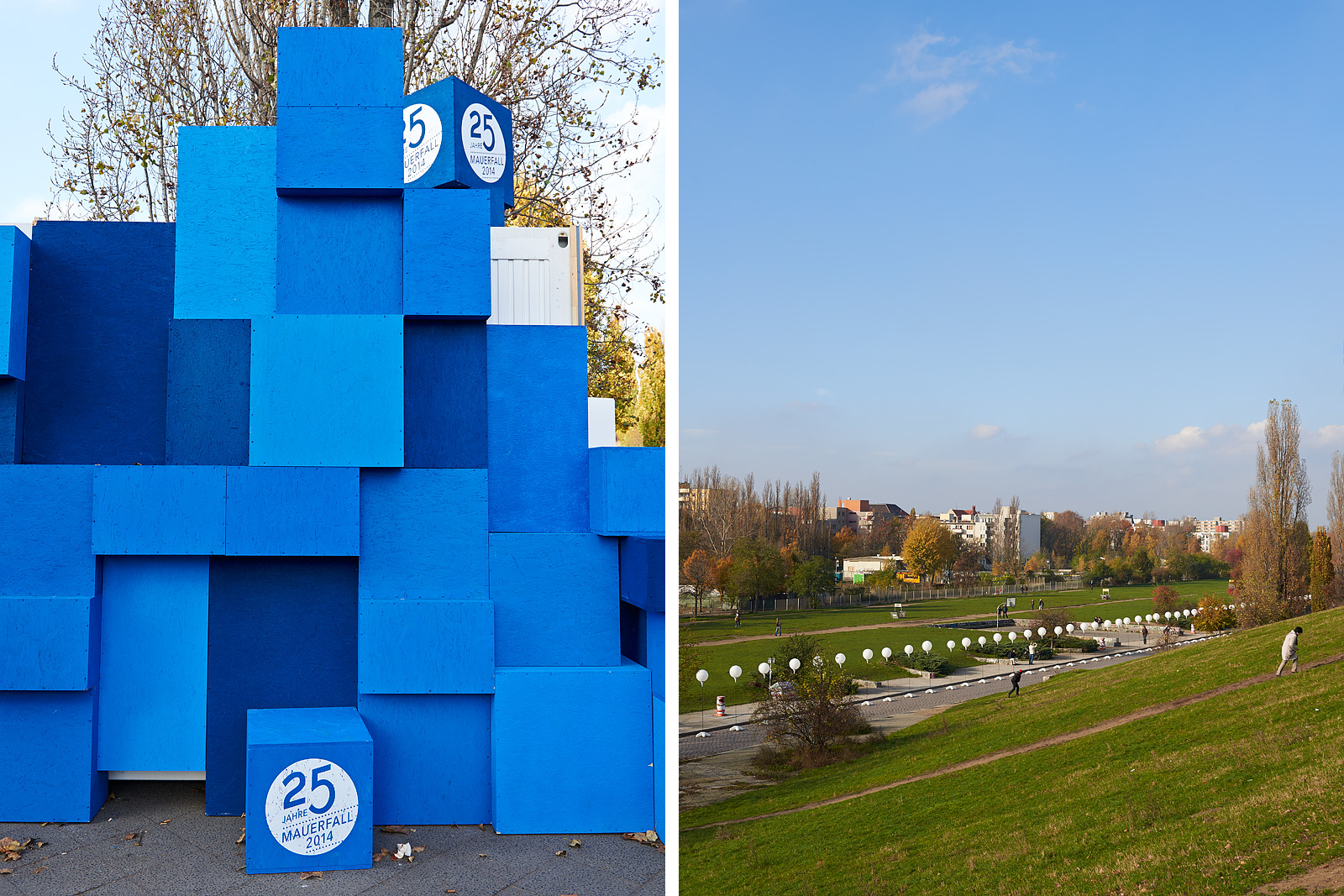
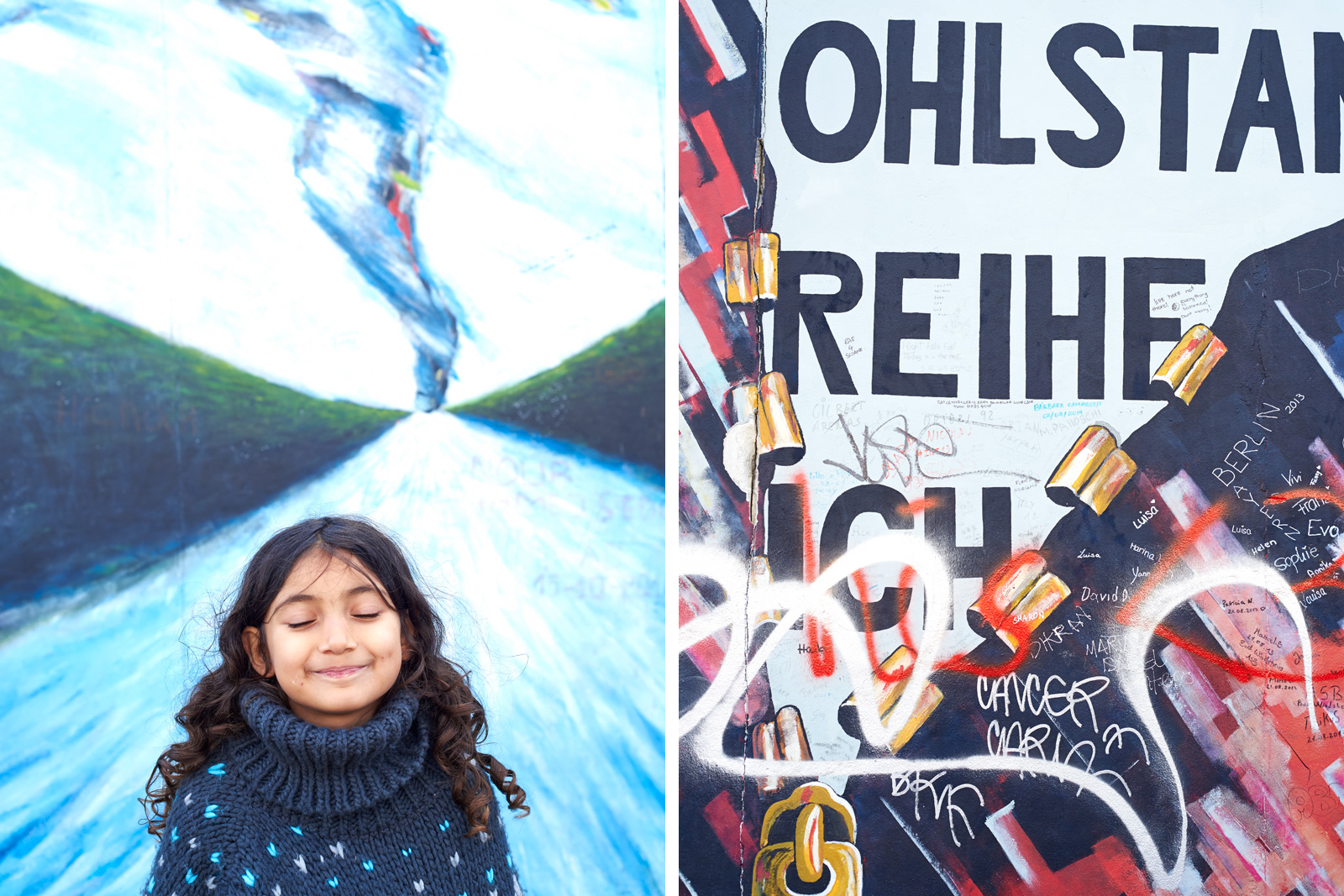
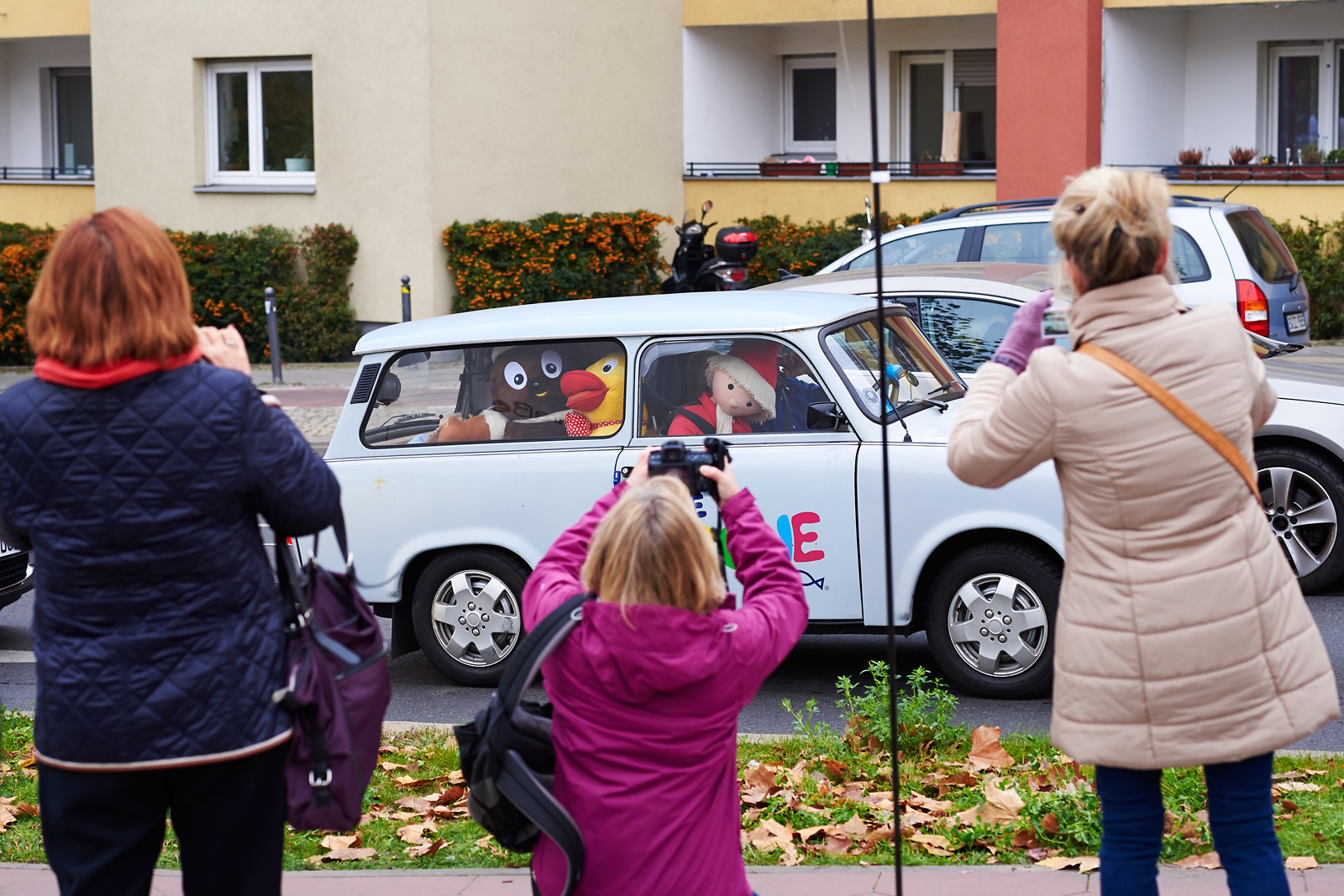
On Nov. 9, 2014, Berlin celebrated the 25th anniversary of the fall of the Berlin Wall.



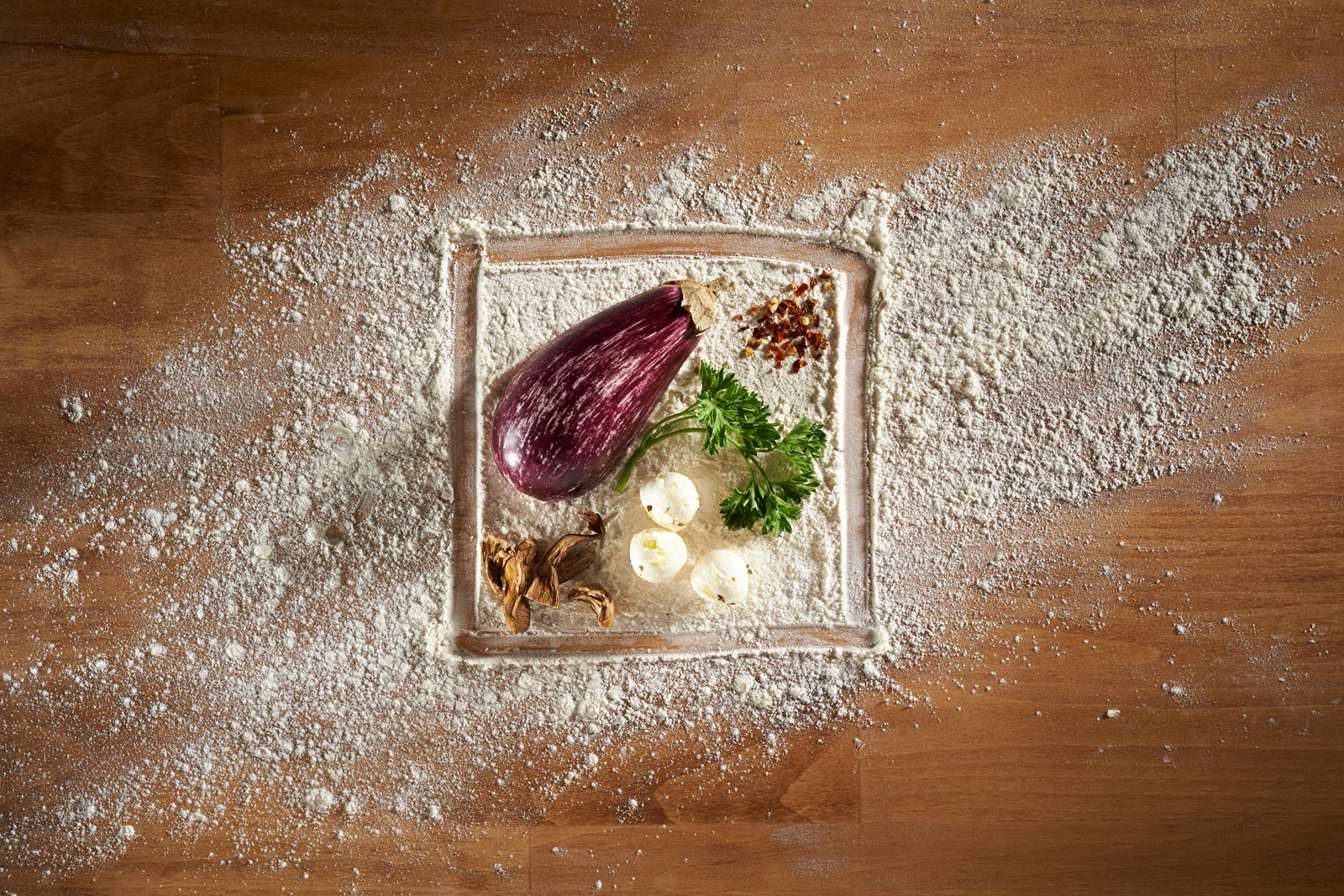
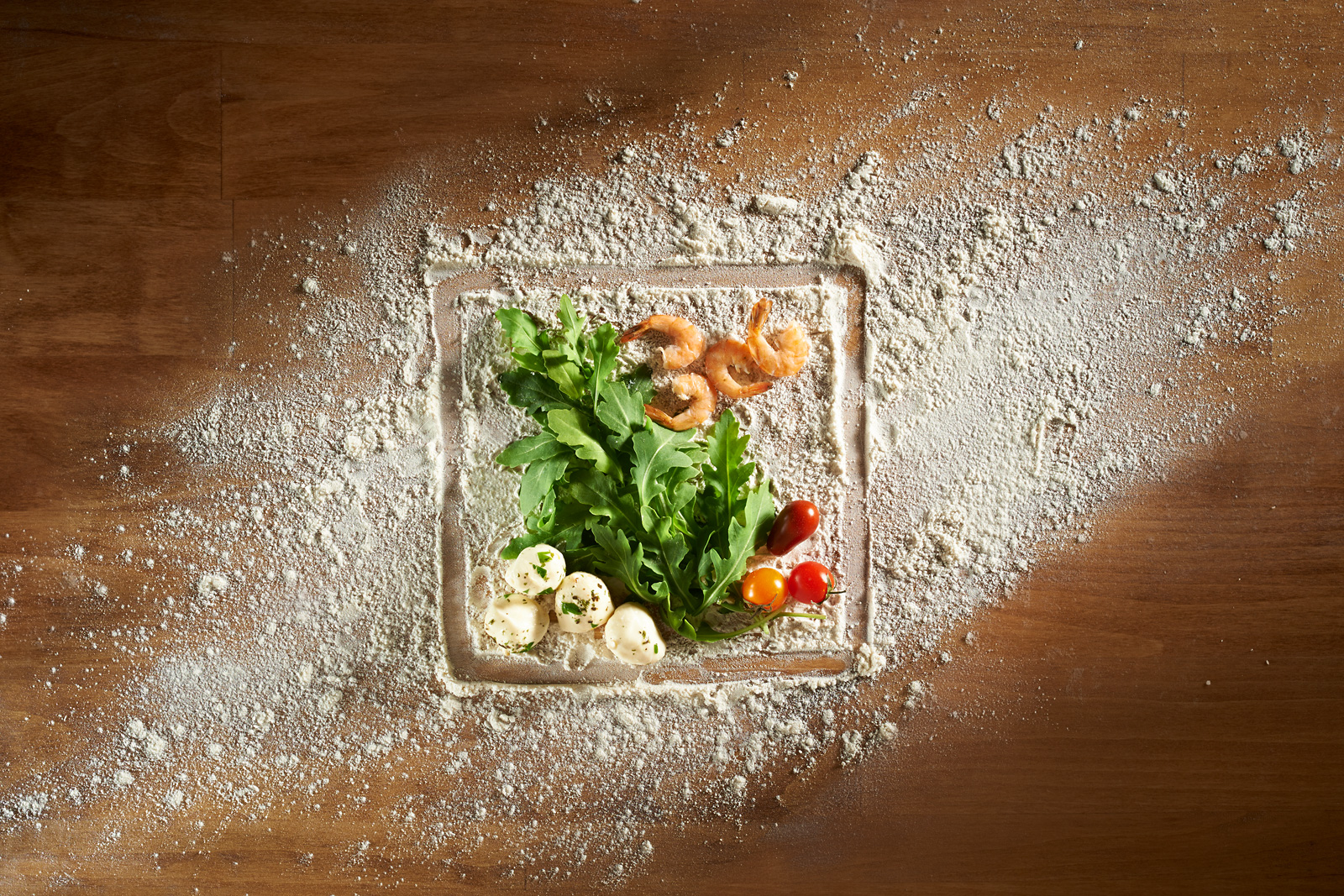
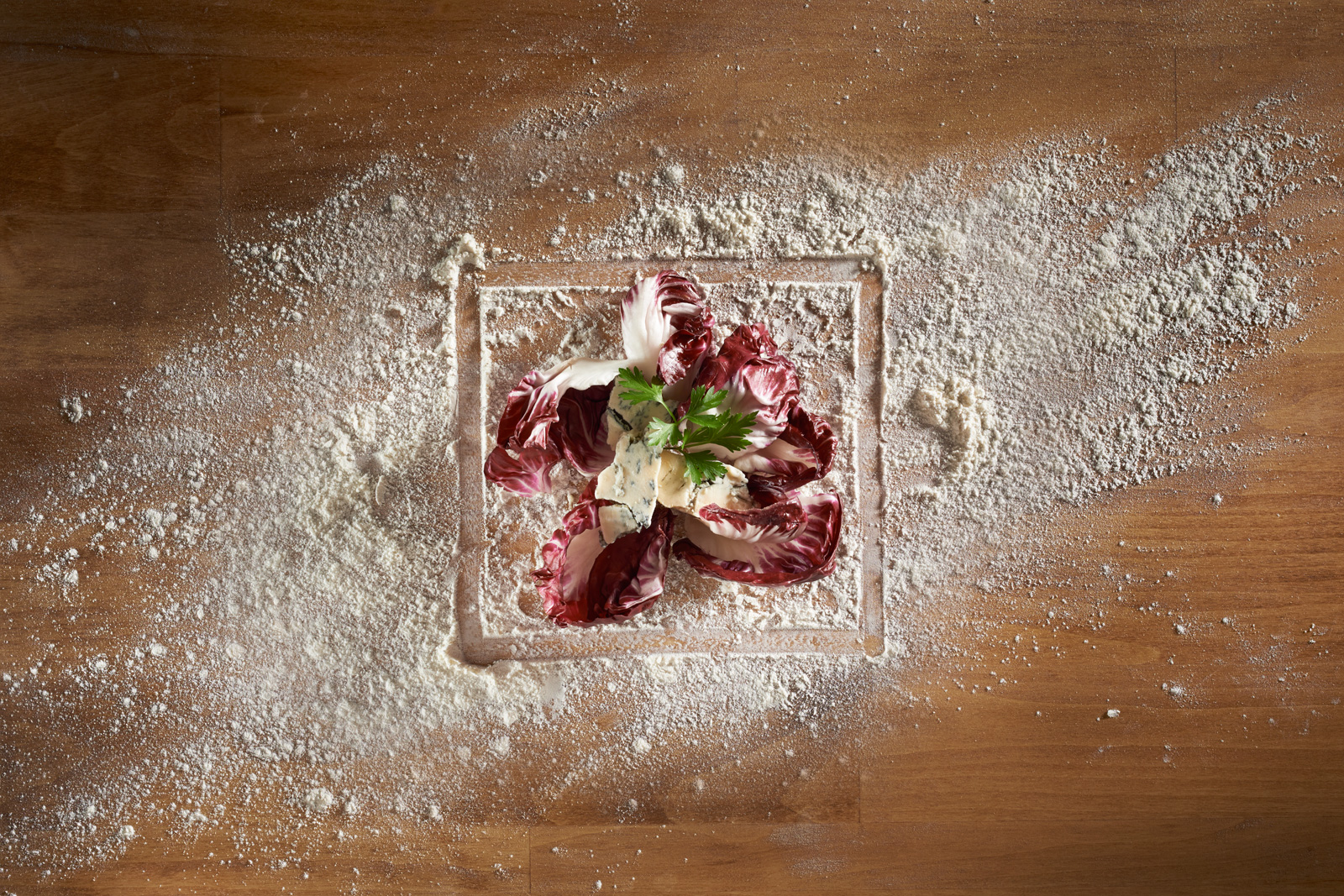
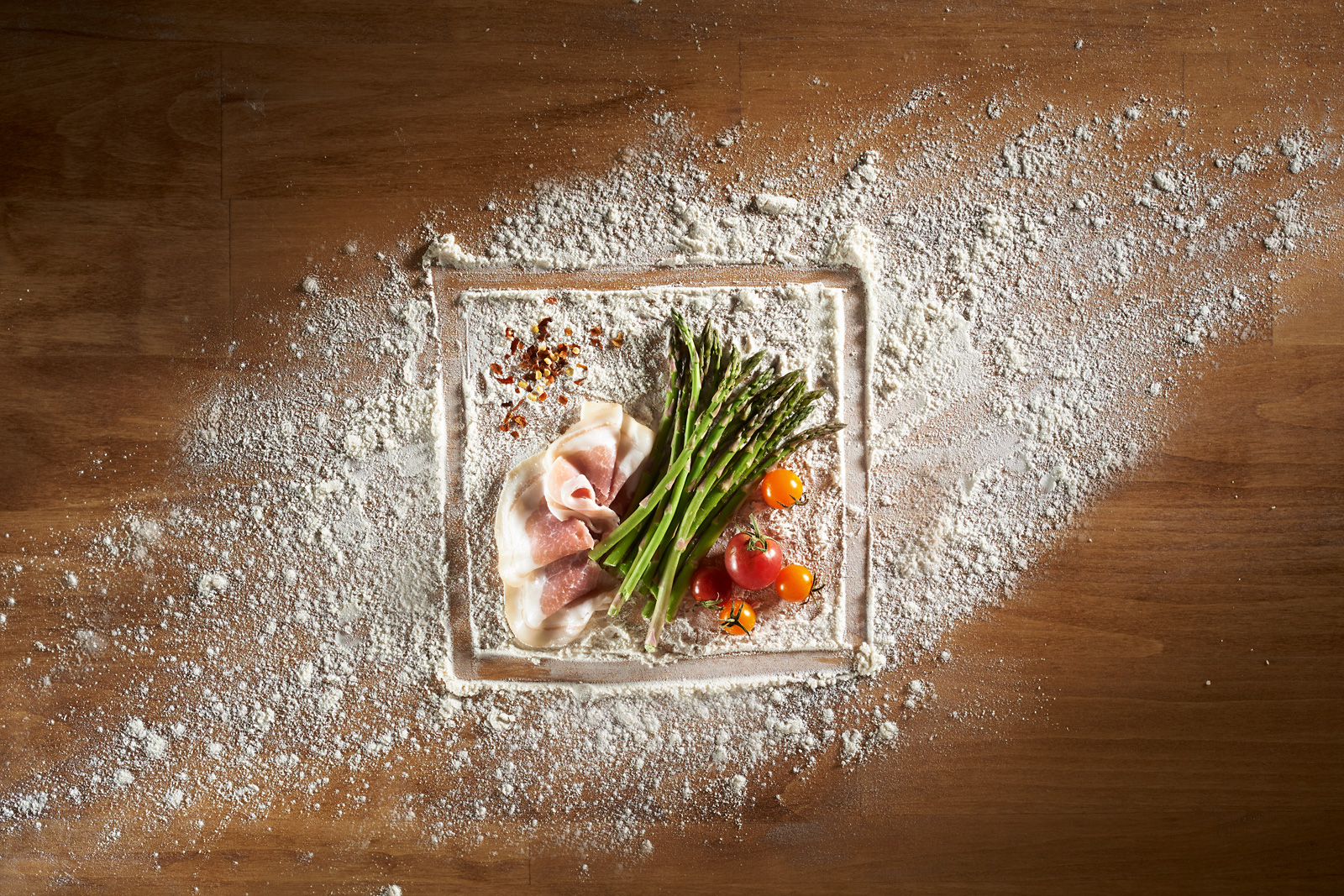
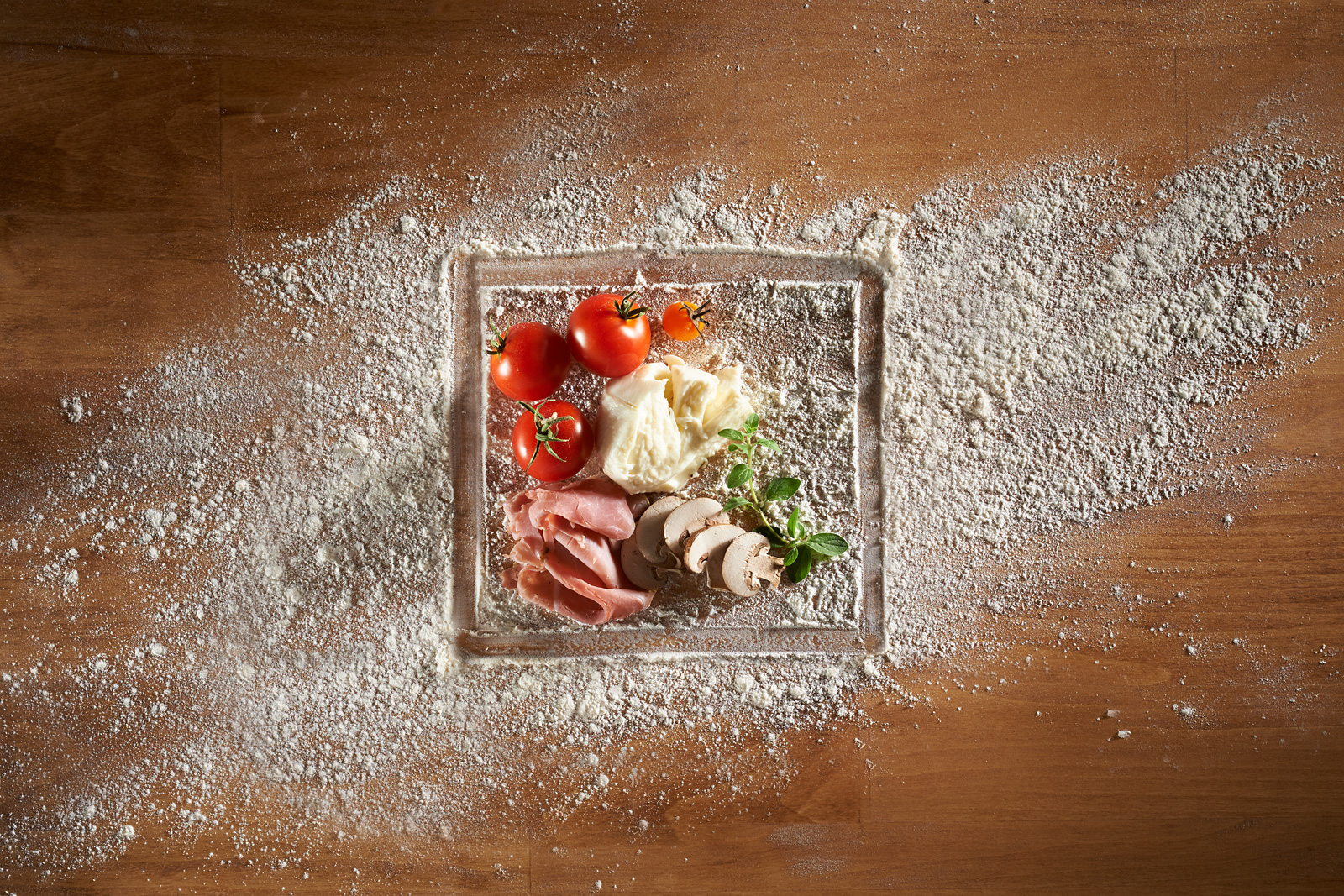
How to shoot pizza without an oven!
Scissors & Pie is an iconic pizza brand that crafts traditional roman pizzas. Created from a unique blend of dough, topped with the finest ingredients and hand-cut with scissors into tapas-like square pieces. It's on the journey to become a pizza brand much like Chipotle is to Mexican and Starbucks is to coffee.
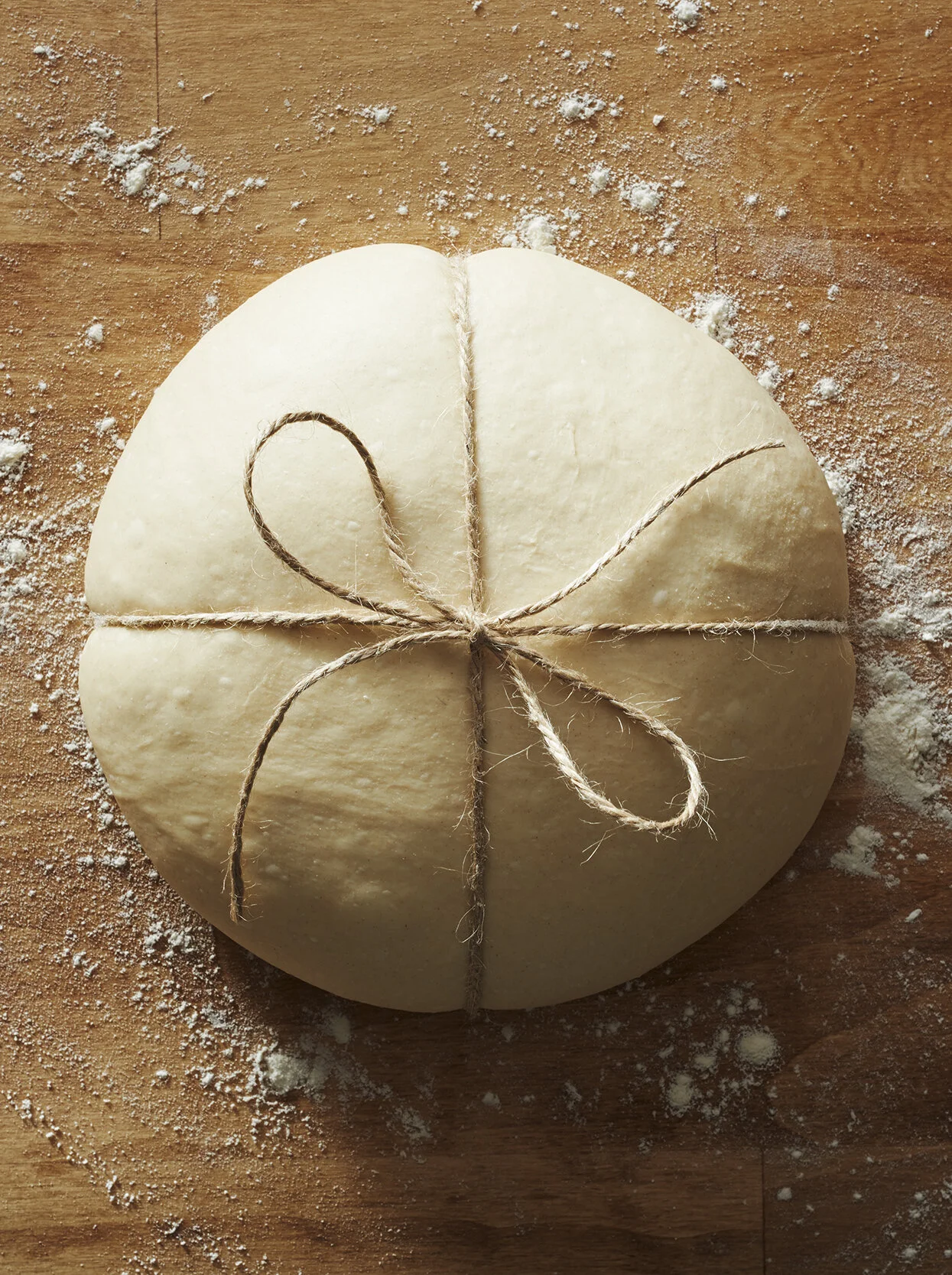
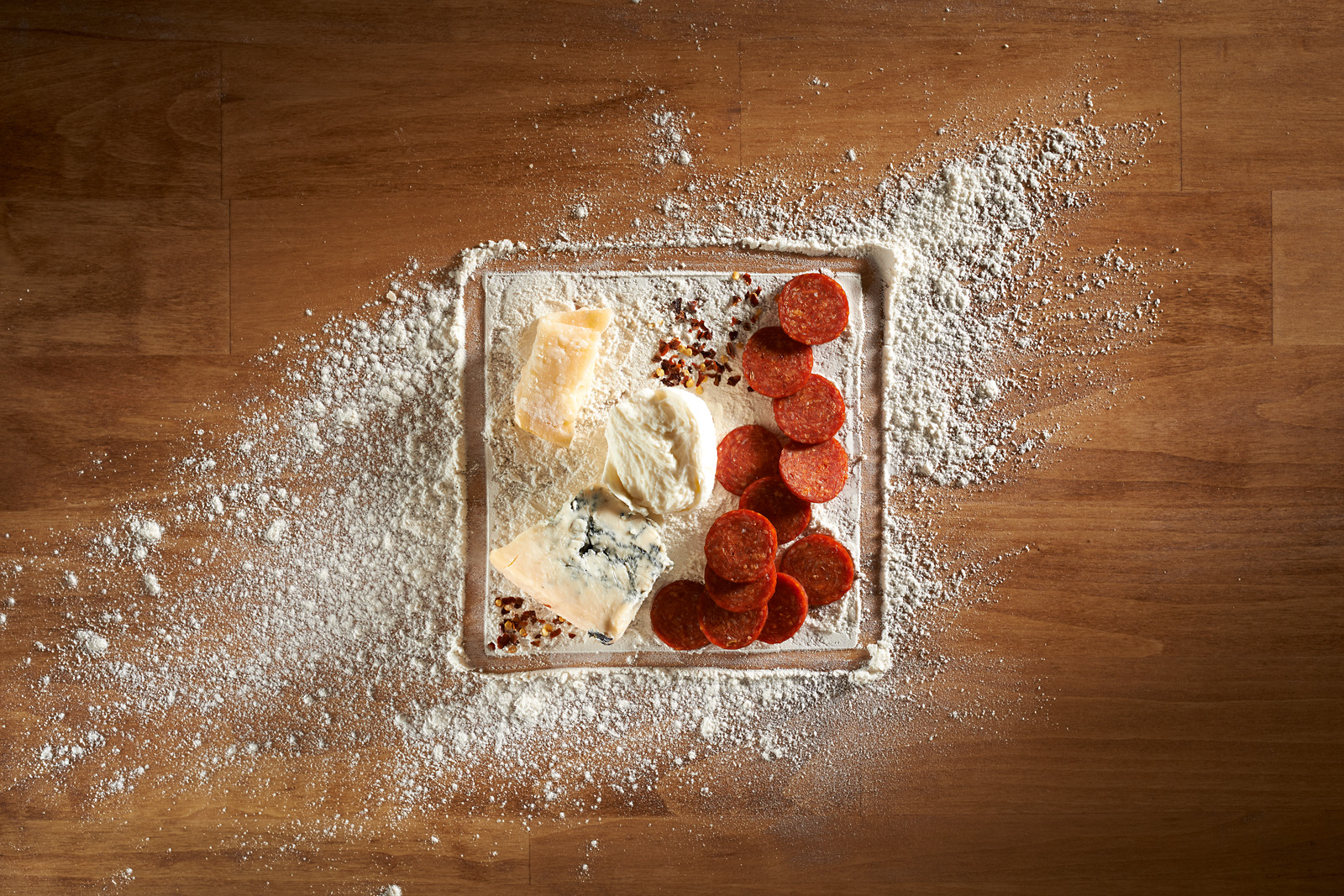
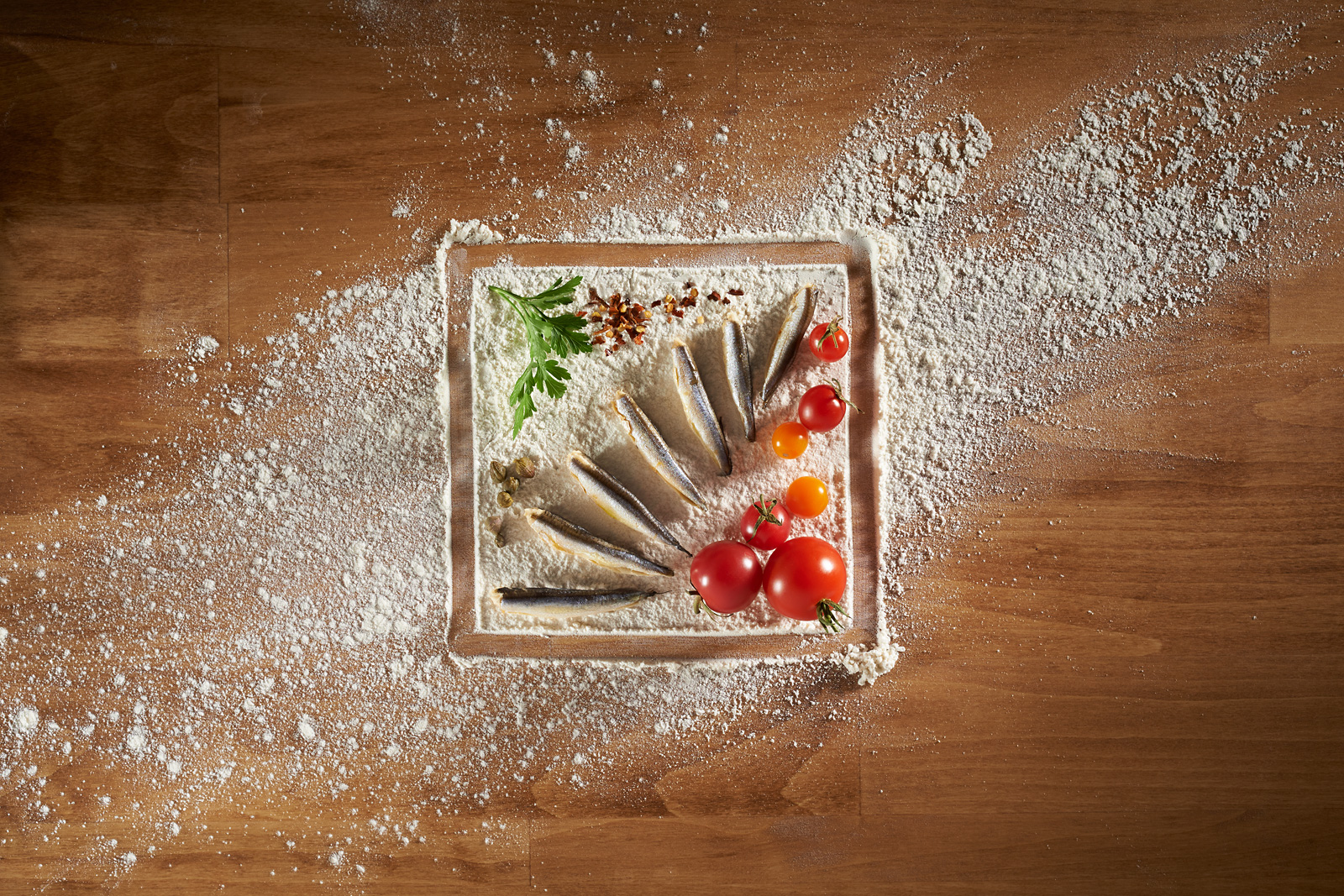
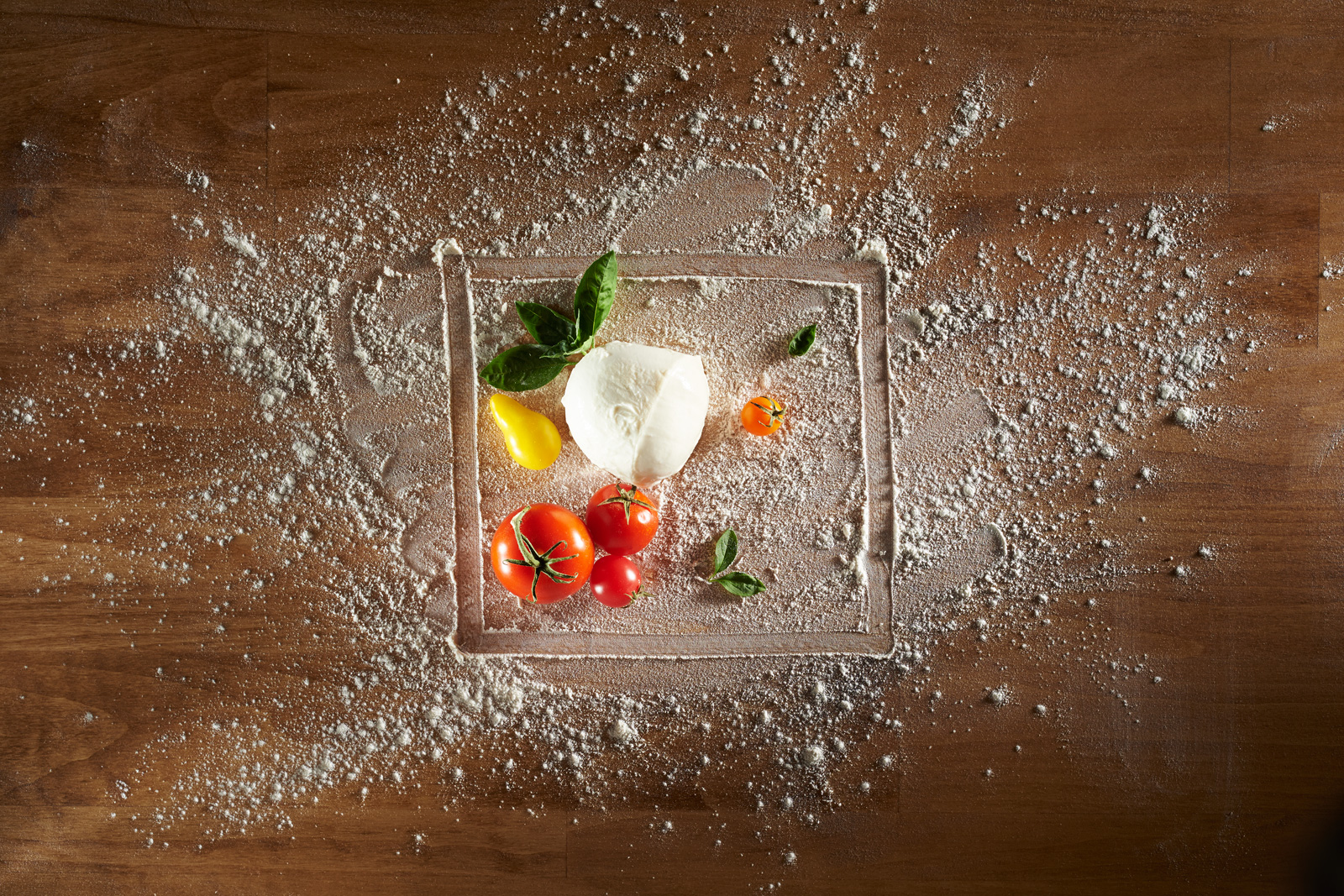
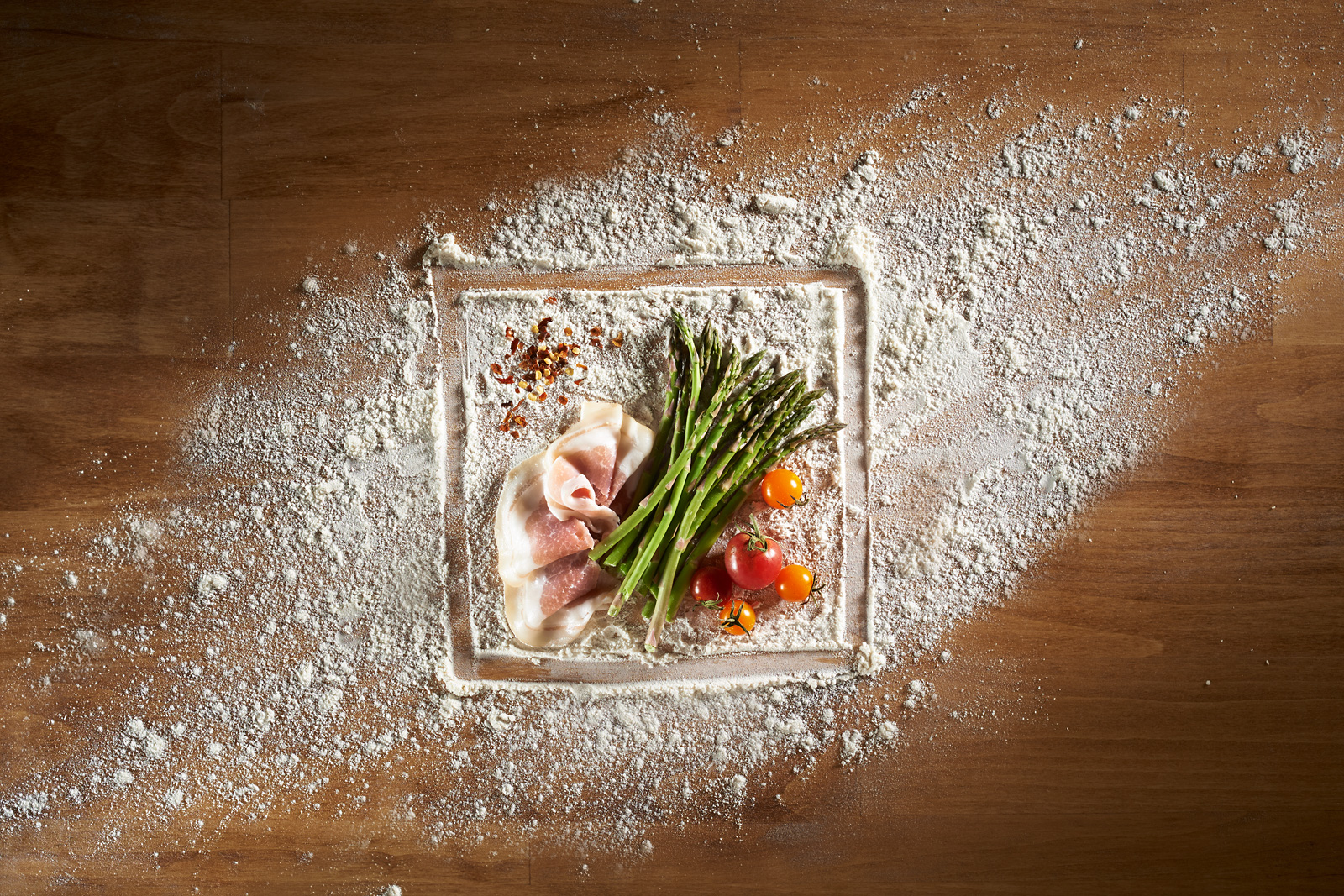
Working with the creative director Paul Vinod, we set out to create a unique visual language for Scissors & Pie. The challenge was to turn the concept of pizza upside down. And inside-out. Literally.
The opportunity came to us in a brainstorming session when the client mentioned that the specially made oven from Italy wouldn't be ready. We took a potential problem and turned it into an opportunity to create something truly special. That's when this iconic set of images came to our minds. We achieved what we wanted to do - to photograph pizza like no other.
Here's what we finally did.







![[ONE] Restaurant for Food Arts Magazine](https://images.squarespace-cdn.com/content/v1/52868f4ee4b0115df2106ec9/1611092231077-692PQWAQLQ7SXOKU9U49/_DSC5942.jpg)
[ONE] Restaurant for Food Arts Magazine
I recently photographed ONE Restaurant in Chapel Hill, NC, for Food Arts Magazine. It was a fascinating few hours, photographing and watching the prep for the day. Using the bounty of local produce from around Chapel Hill, co-chefs Kim Floresca and Daniel Ryan create sophisticated, ingredient-focused culinary creations that surprise and delight.
![Kim and Daniel seen through the wine wall at [ONE] Restaurant in Chapel Hill / Swordfish Belly with Rye Berry Salad & Sprouted Seeds.](https://images.squarespace-cdn.com/content/v1/52868f4ee4b0115df2106ec9/1396292577555-N8SHW2MOY42SYR1TLHKJ/1.jpg)
Kim and Daniel seen through the wine wall at [ONE] Restaurant in Chapel Hill / Swordfish Belly with Rye Berry Salad & Sprouted Seeds.

Pork loin poached in Black Olive brine with Rhubarb, Lovage & Cucumber

Kim Floresca & Daniel Ryan
24 Hours in Singapore?
Text: Sheryl Oring
“When you come to Singapore it’s all about food. Food! Food! Food! There’s nothing else.” This is the firmly held belief of Jessica Chan, a former restaurant owner and native Singaporean who has kindly agreed to spend a day guiding us through the ins and outs of Singapore’s notorious street food.

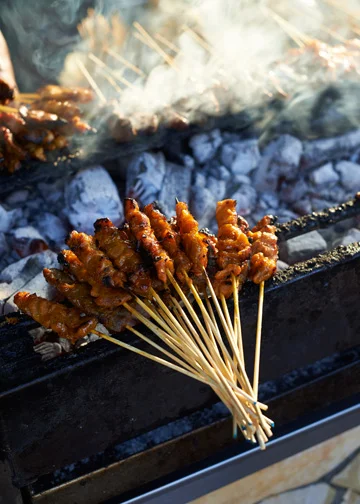
Satay at the hawker center at East Coast Park

Teochew Noodle (Dry) at the Fu Sen Eating House
With dozens of options on nearly every corner, where does one begin? “Tip Number 1,” says Chan, “is look for a queue. Tip Number 2 is look for the sign that rates the cleanliness. They are graded: A, B, C and so on. The good ones are all Cs. They don’t have time to clean up because they’re so busy.”
We set out with Chan just before lunchtime on an unforgettable dining adventure that offered samples of a dozen local specialties from eateries up and down the respectable East Coast Road in the Katong neighborhood to the tawdry Gelang District for frog porridge after midnight.
For travelers with a limited time to sample Singapore’s delicacies, East Coast Road offers a staggering array of food stands and small eateries. And if you can restrain yourself early on, you’ll be able to taste samples from quite a few of them.
We started out with Carrot Cake and Teochew Noodle (Dry) at the Fu Sen Eating House at the corner of East Coast Road and Jago Close. The carrot in the cake is not what Americans know as carrots, but rather, a white raddish. The name comes from a direct translation from Chinese, which calls radishes “white carrots.” The raddish is steamed, then fried and tossed into a batch of scrambled eggs. It comes with either black sauce or white, meaning no sauce, and is served with chilli padi (tiny chilis) in soy sauce. Carrot cake is eaten at all times of the day, but for many, it’s a breakfast dish.
Just next to the carrot cake stall in this corner food court is the noodle stand. Teochew Noodles – like the carrot cake – is native to Singapore. The noodle dish is made with egg noodles, fish cake, pork, fish dumpling, prawns, bean sprouts and fried lard (crispy diced chunks) and is served with pork broth.
Just a few shops further down the street we arrive at 328 Katong Laksa (216 East Coast Road), where we are
served the spicy yet sweet and very rich soup known as Laksa by Lucy Koh, whose business card announces her as a former Classic Mrs. Singapore. Coconut milk enriches the soup, whose ingredients include chili paste, dried shrimp, rice noodles, fish cake, laksa leaves (an herb also known as Vietnamese coriander), prawns, mussles, in a seafood broth. Out of this world.

Laksa by Lucy Koh

Kaya Toast at the Chin Mee Chin Coffee & Cake Shop
As we stood up to leave, a gentleman who had just finished his own bowl of laksa stopped to chat with us. He wanted to know where Chan was taking us. Making sure foreigners get the best Singapore eating experience possible seems to be a national pastime. Chan and the gentleman discussed where to get the best chicken rice and after a round of discussion, he agreed that she should take us to Boon Tong Kee.
Boon Tong Kee (199 East Coast Road) was busy filling a large take-out order when we arrived, so we ducked into the Chin Mee Chin Confectionary (204 EastCoast Road) just across the street for a taste of traditionally made Kopi C, coffee with sugar and milk, and Kaya Toast, a popular snack consisting of kaya (Coconut jam), a spread of eggs, sugar and coconut milk and toast. Kaya toast is served with two very soft boiled eggs that you add soy sauce and seasonings to, mix and dip the bread in.
Now back to the Chicken Rice, a deceptively simple dish comprised of steamed or roasted
chicken served with white rice cooked in a rich chicken broth with green onions and pickled vegetables on the side as well as an array of condiments including minced ginger, soy sauce and chicken chili sauce to spice it up according to individual tastes. If Singapore had a national dish, Chicken Rice would be it.

Ng Ah Kwee preparing a plate of Chicken Rice at the Boon Tong Kee Restaurant
The Chicken Rice fills us up but Chan says we need to make room in our bellies for a few more things. Not to be missed are the Nonya dumplings – or Chang – at Kim Choo Kueh Chang (111 East Coast Road) http://www.kimchoo.com. On the way to Kim Choo Kueh we walk by Glory Catering (139 East Coast Road) and impulsively stop for Popiah, a fresh spring roll made of a thin wheat flour crepe stuffed with shrimp, lettuce, turnip, jicama, cabbage, herbs and dripping with a sweet sticky sauce.

Popiah a fresh roll made of thin wheat flour crepe stuffed with shrimp, turnip, jicama , cabbage and herbs.
Back to the Chang-The rice dumplings are filled with spiced ground pork or other fillings and wrapped by hand in bamboo leaves. If you happen to be in town during the annual Duanwu or dumpling festival, which usually falls in June, you’ll have to queue up for hours to get the tasty dumpling. But other times of the year the stand is more accessible. As legend has it, a beloved poet and statesman in China drowned himself in a river after being accused of treason. The local people dropped sticky rice triangles wrapped in bamboo leaves into the river so the fish would eat the rice and not the poet’s body.

Nonya Dumplings at Kim Choo Kueh Chang
Which brings us to Durian Puffs. The Durian, a fruit native to Southeast Asia, has such a strong, foul smell that it has been banned from public transportation in Singapore. The smell – something like a pile of garbage that has been sitting on the streets of New York on a steamy August day – is enough to dissuade most people from even trying this local delicacy. But Puteri Mas (just off of East Coast Road at 475 Joo Chiat) http://www.puterimas.com will even ship the puffs to overseas fans. I managed one bite and promptly felt queasy so stopped there.
On the way out, we made a quick stop at Bee Cheng Hiang for some bakkwa, or barbecue pork, to go (141 East Coast Road) http://www.beechenghiang.com.sg/ This is nothing like thebarbecue you may know from the American South. Closer to jerkey, the meat is prepared with spices, sugar, salt and soy sauce then dried. The salty-sweetsticky result is addictive
The trek is nearly done for the afternoon, but Chan urges us on to try a bowl of Big Prawn Mee at the Beach Road Noodle House, about a half-mile down East Coast Road (370/372 East Coast Road). The mee, or noodles, are floating in a slightly sweet broth made from pork and seafood. At $5.50 (Singapore dollars) it’s a bargain. Make sure to try a glass of Lime juice. This refreshingdrink will help revive you after a long hot walk.

Big Prawn Mee at the Beach Road Noodle House
We are done for the afternoon, but Chan has been tempting us with tales of the food along Geylang Road, Singapore’s Red Light (or more accurately, Red Lantern) district. That Singapore has a red light district is news to us and we are eager to check out the seedy side of Singapore. So after a long rest we meet again for a late-night snack. Or should I say a streetside banquet at the food stalls at Lor 9. There Chan insists that we try two version of frog porridge (one with dried chili and one with ginger and onions served as a stew with a side of congee, or rice porridge); barbecue stingray; a fried oyster omelette; and beef Kway Teow (beef with rice noodles). I didn’t think we’d come close to finishing what we ordered, the but flavors were so delectable, we polished off the feast and headed home well past midnight to recover from our food trek through Singapore.

Frog Porridge at at Lor 9 in Geylang

Barbecue Stingray
A few more options for dining off the tourist track:

Hawker center at East Coast Park
The hawker center at East Coast Park has more than 60 food stalls, many offering tempting varieties of seafood. The fresh salmon with garlic served on a banana leaf from stall #45, Stingray Forever Barbecue Seafood, was so good we had to visit this hawker center several times. Other stalls offer satay, duck porridge, chicken curry puffs, chicken rice and other seafood options. For dessert, try out the Ice Kachang (shaved ice mixed with various jellies, beans, fruit and condensed milk) from Jacky Dessert in the middle of the food court.

Steamed Salmon and Kailan with Oyster sauce
If you’re craving a more formal meal away from the crowds, make a trip to Changi Village at the northeastern tip of Singapore. This sleepy neighborhood is a popular destination for beach lovers and cyclists, who play by day and eat at the local hawker center. We ended our trip with an unforgettable meal at the Ponggol Choon Seng Seafood Restaurant. The highlight was the chilli crab, but the Mee Goreng and Prawn Pancake were excellent as well.

Chili Crab at Ponggol Choon Seng Sea Food Restaurant


Recent work for San Diego Magazine
I was in San Diego this past August on another shoot and Creative Director Laurie Nicoud had me shoot a few images for San Diego Magazine. First stop was the Sandra Dijkstra Literary Agency-stellar list of writers. Sandra was very gracious and it was a pleasure to work with her. Cavory was somewhat experimental, I just love the images from that session and wouldn't it be nice to shoot the entire menu using every possible surface at Sea & Smoke.

040_SDM

053_SDM

_DSC7057

_DSC7107

056_SDM

Cavory-Cookies4324
Best Restaurants 2013 for San Diego Magazine
I love shooting restaurants and it is always great to be in San Diego. So running around the city shooting 12 restaurants over 3 days pretty much makes this my favorite gig. Here are a few spreads and some shots that didn’t make it in.

0413_Cover_final-copy-1

SDM_1

110_SDM

SDM_3

SDM_5

SDM_4

Monelo-Cocktails2811

Brooklyn-Girl----Alaskan-Halibut----------------------------------3005

_DSC2665

_DSC2986

_DSC2781

_DSC2687
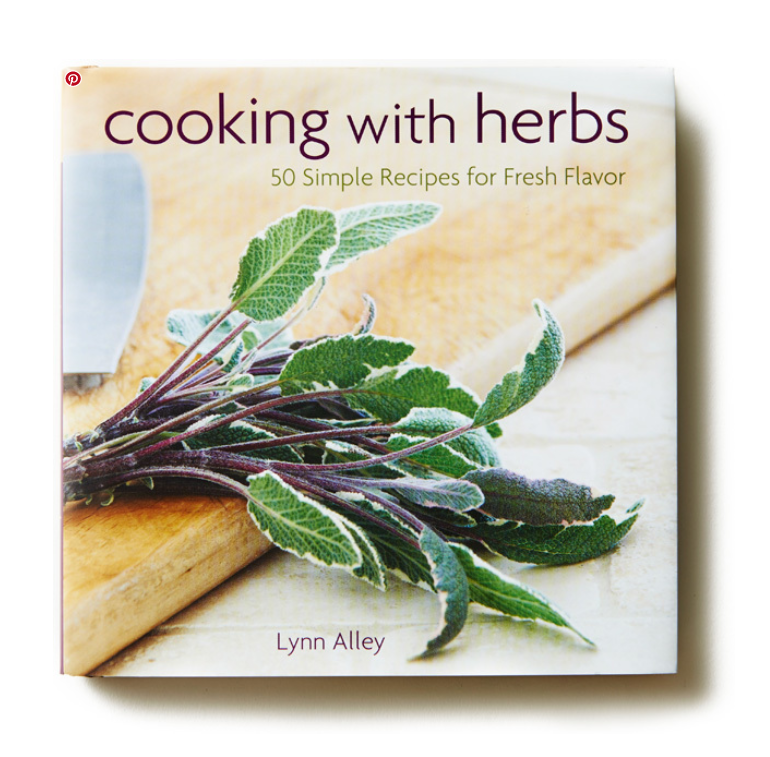
Cooking With Herbs - Andrews McMeel Publishing, LLC
For my first cookbook, I teamed up with cooking teacher and best-selling cookbook author Lynn Alley for a book that shows cooks and gardeners how to make the most of fresh herbs such as mint, dill, rosemary, and thyme. The key to cooking with fresh herbs is to keep things simple and let the flavor of the herbs shine, so the recipes are made with only a few readily available ingredients that showcase the vibrancy of each herb.
We shot the cookbook last summer at Lynn's house in San Diego. Lynn styled the food and Melissa Gardner was the prop stylist. The book's appealing design came from Julie Barnes at Andrews McMeel. And Lane Butler at Andrews McMeel did a great job of editing and managing the whole project.
I shot all of the book's photos and had the pleasure of tasting all the dishes. The one I will always remember is the Savory Tomato Sorbet with Oregano: the flavors offered an unexpected and refreshingly delicious surprise.
Cover
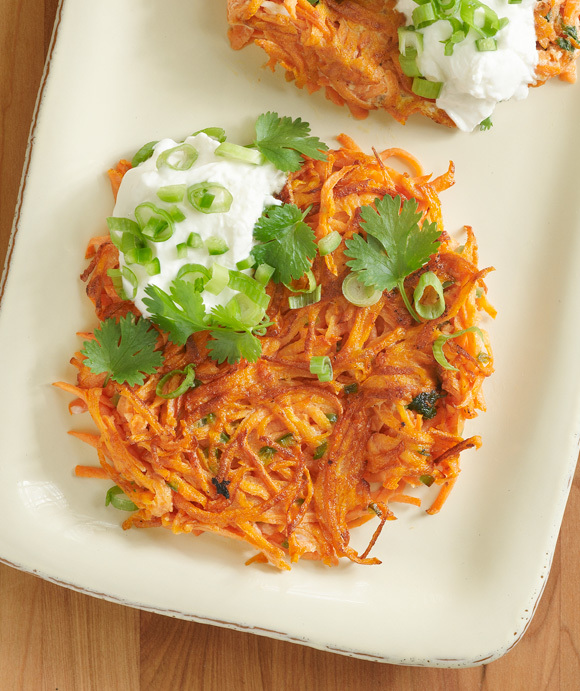
GARNET YAM RÖSTI WITH INDIAN FLAVORS
2013april_FRONT
2 tbsp ghee or vegetable oil 4 large red or garnet yams, grated 1 tsp salt, Freshly ground black pepper 2 tsp coriander seeds, crushed 2 tsp cumin seeds, crushed. 2 egg whites ½ cup plain yogurt, ½ cup coarsely chopped fresh cilantro ½ cup thinly sliced scallions, ½ Serrano chile, chopped finely
Place the ghee in a large skillet over medium heat and allow the skillet to heat thoroughly, 3 to 4 minutes. It’s important not to get the skillet too hot, as the potatoes on the bottom will cook before the insides are done.
Toss the yams with salt, pepper, coriander and cumin seeds, and egg whites. Place the yams in the skillet and press them down with a spatula into an even layer. Cook for about 10 minutes, rotating the skillet a couple of times to avoid hot spots, until the bottom of the rösti is golden brown.
Loosen the rösti on the sides and bottom of the pan with a spatula, slide the rösti out onto a plate, then slide the rösti back into the pan, browned side up. Cook for another 10 minutes, or until the underside of the rösti is also browned.
Gently run a spatula around the sides of and underneath the rösti and slide it onto your serving plate. Top with yogurt, cilantro, scallions, and chile and serve immediately.

The Great Gatsby Covers for T : The New York Times Style Magazine

P2_2013-04-14_138
I recently had the opportunity to shoot about 50 covers of "The Great Gatsby" at the University of South Carolina's very impressive special collections library. It was fascinating to see so many prized books at one time - one of the perks of being a photographer. A small sampling was published in T : The New York Times Style Magazine.